The AI Bro-mance: People Still Buy From People They Trust
I recently connected on LinkedIn with Mark Kosoglow, and his headline immediately caught my attention: “Everyone has AI. Humans are the differentiators.” I love it!
As a lifelong sales professional (a Life’r), that line instantly got the creative wheels turning for me around the evolving role of sales, business development, and leading high-performing sales teams in this new world of AI. It’s a powerful reminder that while technology continues to level the playing field, the real advantage still comes from the human side of the equation - relationships, trust, creativity, and human judgment.
Sales professionals who win in the AI era treat AI as an amplifier, not a replacement for the human side of selling. The goal isn’t to automate relationships — it’s to remove the busywork so you can spend more time building them.
Deals are still won by humans, AI still can’t read the room, build trust, or laugh at a terrible Dad joke on a sales call. The best reps use AI to handle the tedious tasks so they can focus on what actually wins deals: relationships, credibility, creativity, and good human judgment. In other words, let AI do the tedious typing, and you focus on the selling.
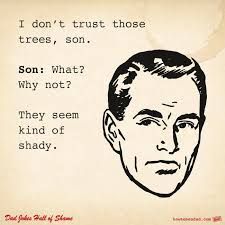
Here are a few human wins for sales professionals with AI
Strengthen Sales Coaching and Deal Strategy
For sales leaders, AI can analyze pipeline patterns, call transcripts, deal progression, and activity trends to surface risks and opportunities much faster than the traditional “gut check and crossed fingers” forecasting method many of us grew up with. It can highlight where deals are stalling, which messaging resonates with different personas, and even flag when a rep may be heading toward the dreaded “it felt like a good call” stage of deal management.
But the real value isn’t in letting AI run the team — it’s in enabling better coaching conversations. AI can surface the patterns, but great leaders still bring the judgment, experience, and context to interpret what actually matters. A dashboard might show a deal slipping; an experienced leader knows whether that’s a real risk, normal enterprise buying behavior, or simply procurement doing what procurement does best…slowing everything down just enough to test everyone’s patience.
In other words, AI can help leaders see the game more clearly, but it still takes a human coach to call the plays. The best sales leaders use AI to guide smarter conversations with their teams, ask better questions, and coach more effectively, not to replace leadership with a spreadsheet that suddenly thinks it’s the VP of Sales.
Use AI to Do the Homework Faster
Great salespeople have always done their homework before engaging a prospect. The difference now is that AI dramatically accelerates the process. Instead of spending hours digging through company websites, earnings reports, LinkedIn updates, and industry articles, AI can quickly summarize company news, financials, hiring trends, leadership changes, and industry pressures in minutes. That means you can walk into conversations informed, relevant, and actually prepared, which, surprisingly, still stands out in sales. You can even harness the AI findings with integrations to your CRM.
But the real advantage isn’t just speed. It’s what you do with the time AI saves you. Rather than spending your afternoon acting like a human Google search engine, you can invest that time in understanding the buyer’s priorities, building rapport, and thinking strategically about how you can actually help them.
Think of AI as the research assistant every salesperson always wished they had — the one who gathers the information, organizes it neatly, and doesn’t complain about late-night prep before a big meeting. You still bring the insight, curiosity, and human connection. AI just helps make sure you show up to the conversation looking smart.
Let’s Wrap Up the AI Bro-mance
AI is exceptional at processing information, identifying patterns, and surfacing insights — but it’s terrible at earning trust.
The sales professionals who win use AI to handle the data and analysis, while they focus their human energy where it matters most:
- building credibility
- understanding organizational dynamics
- navigating complex buying groups
- demonstrating empathy
- and crafting creative solutions to real problems
In other words, let AI handle the spreadsheets and summaries, you handle the conversations, the relationships, and the occasional awkward silence on a sales call.
Because at the end of the day, AI might help you show up smarter… but people still buy from people they trust, not from a really confident algorithm.
What is your strategy to harness AI? Let’s talk about it.